Leading a thriving workforce within the Hills District, Norwest Business Park, and Blacktown has shifted from a focus on traditional office perks to a deeper commitment to sustainable employee care. In an environment defined by high-intensity professional services, financial institutions, and rapid operational scales, human resources leaders are facing a very real challenge: chronic team exhaustion is no longer just a culture issue; it is a measurable balance-sheet liability.
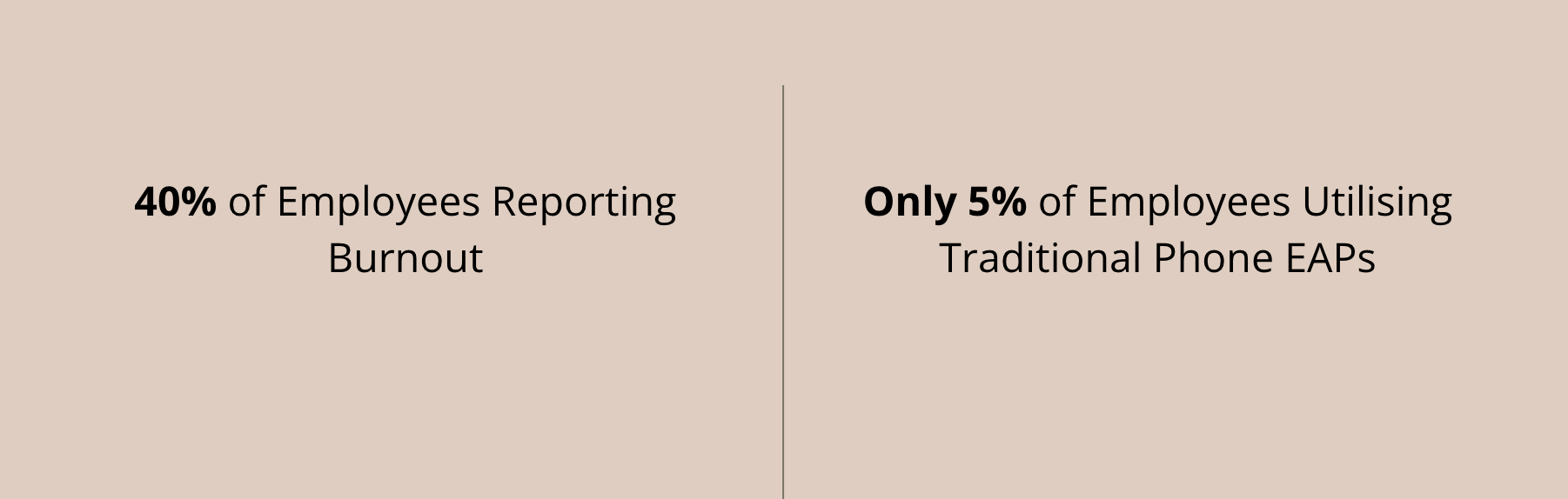
With national data confirming that 40% of the corporate workforce reports active burnout, the downstream cost of employee turnover, presenteeism, and absenteeism is actively eroding organisational profitability. For senior HR directors and Chief People Officers, the critical question is no longer whether to invest in employee welfare, but how to deploy frameworks—such as structured workplace yoga—that fulfil contemporary work health and safety (WHS) mandates while delivering a tangible return on investment.
The Limits of Passive Interventions
For years, the standard corporate response to workplace stress has been the implementation of traditional Employee Assistance Programs (EAPs) or digital health applications. While well-intentioned, the data reveals a severe execution gap: of the 40% of employees experiencing chronic stress, only 5% choose to access traditional phone helplines.
When professionals hit a cognitive wall mid-afternoon, passive administrative links fail to provide relief. Stressed minds and sedentary bodies do not require another app layout or a phone call line; they require active, structured corporate yoga and physical circuit breakers integrated directly onto the office floor.
Navigating the Psychosocial Framework
Under Safe Work Australia's Model Code of Practice, business leaders are held to absolute accountability for managing psychosocial hazards. Regulators explicitly state that organisations cannot rely on individual resilience training to bypass poorly engineered work systems.
Primary control measures must always prioritise the macro design of work systems, the optimisation of the physical work environment, and the cultivation of transparent relationship frameworks. However, intuitive HR leaders recognise that even within highly optimised systems, corporate deadlines and intense operational requirements will always generate physiological stress.
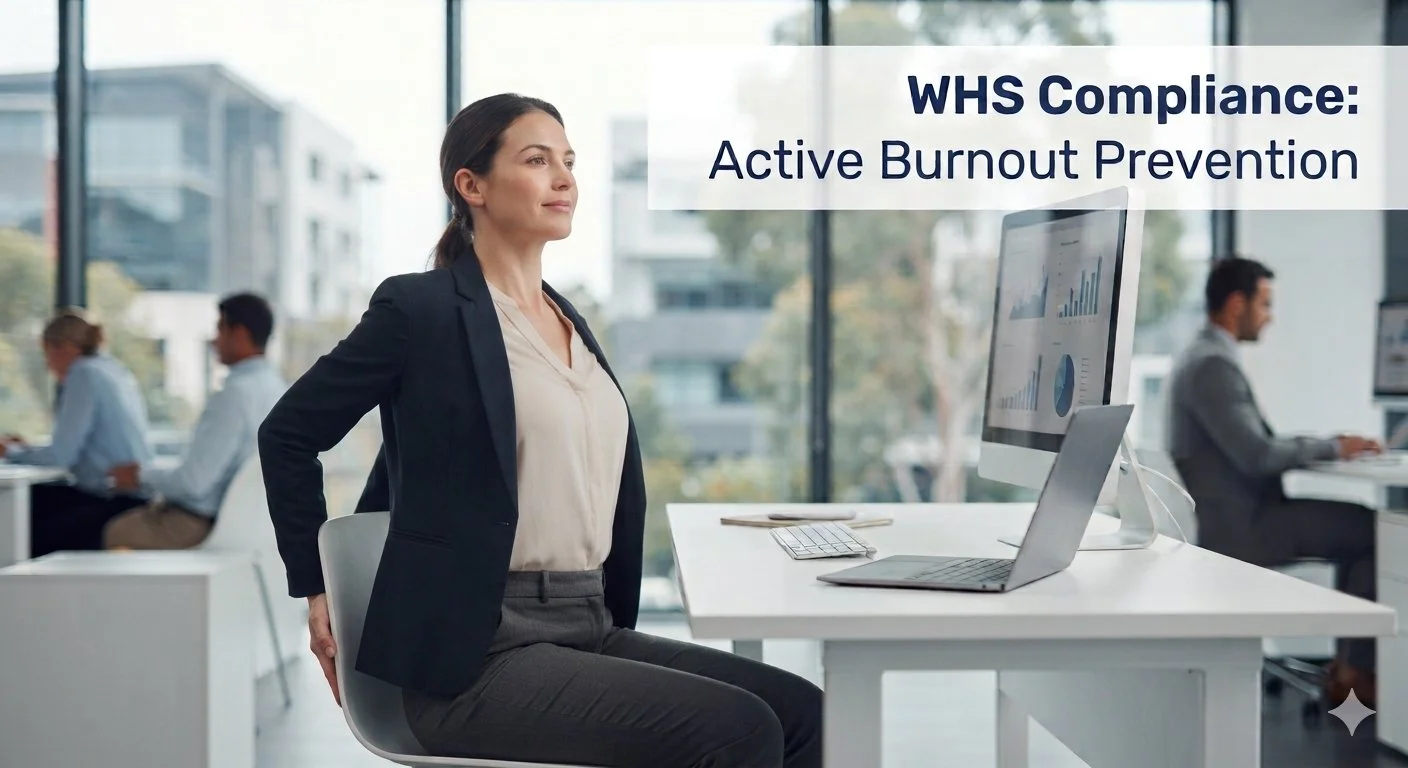
This is where secondary control measures become vital. By introducing targeted workplace yoga programs and evidence-based mindfulness interventions right at work, companies create an active biological buffer. Implementing a regular practice serves as a practical, visible control measure that protects employee health from the unavoidable pressures of corporate execution timelines.
The Direct Return on Investment
Grounding your workplace wellness framework in hard clinical evidence shifts the conversation from a general human resources initiative to a strategic board report. Modern neurophysiological and ergonomic data proves three definitive corporate metrics driven by yoga interventions:
Reversing Cognitive Deficits: Peer-reviewed data confirms that structured Hatha yoga interventions yield a significant moderate effect size on executive brain processing speed and working memory. By reducing high-frequency stress waves, a 30-minute workplace yoga session actively clears out decision fatigue and restores sharp analytical focus for the remainder of the business day.
The Ergonomic Antidote: Focused physical adjustments during corporate yoga act as a direct structural intervention against sedentary desk strain. Controlled clinical trials confirm that targeted upper-body yoga postures significantly improve musculoskeletal integrity, manually elongating compressed chest tissue and directly preventing costly workplace conditions like Repetitive Strain Injuries (RSIs) and chronic lower back pain.
Driving Down Absenteeism: Clinical reviews across health studies show that integrating concrete, work-based movement breaks results in up to a 40% reduction in total organisational sick leave usage by lowering systemic inflammatory biomarkers and protecting baseline immune health.
Systemic Care Across the Hills District & Blacktown
True employee care is an evidence-based practice engineered to protect health and sustain performance under tight deadlines.
By implementing a highly visible, highly utilised corporate yoga and physical recovery framework on the office floor, local companies do more than just meet their compliance mandates—they build a sustainable, resilient & connected workforce capable of driving long-term success.
Are you ready to audit your organisation's secondary control measures and implement an evidence-based workplace yoga and somatic recovery framework for your team?
Click Here to Visit Our Contact Page to request our Comprehensive Workplace Yoga & Wellbeing Proposal, or explore our compliance-aligned programs directly at Swan Wellness.